Home › TPO & conservation area tree work
Protected treesTREE WORK ON PROTECTED TREES
If your tree has a Tree Preservation Order on it, or stands in a conservation area, you need the council’s permission before anyone touches it. We handle that paperwork for you and then carry out the work. Chesham, Amersham, the Chalfonts, Berkhamsted, Tring and Hemel Hempstead.
Or call Connor direct on 07738 008077
Large parts of our patch are conservation areas. Central Chesham, Old Amersham and Amersham on the Hill, Chesham Bois, the Chalfonts, Great Missenden, Berkhamsted town centre and much of Tring all have designated areas, and there are individual Tree Preservation Orders scattered well beyond them — often on trees in ordinary back gardens, placed decades ago when an estate was built.
The short version: if your tree is protected, cutting it without permission is a criminal offence, and the fine is unlimited. The good news is that getting permission is usually straightforward, it is free, and we do it for you as part of the job.
How do I know if my tree is protected?
Two separate things can protect a tree, and they work differently.
A Tree Preservation Order (TPO) is placed on a specific tree, group of trees or woodland by the council. It stays with the land, so it may well have been made long before you bought the house and there is no obligation on anyone to tell you about it. TPOs cover trees of any size.
A conservation area protects every tree within its boundary that is above a certain size — broadly, a trunk thicker than 75mm measured at 1.5m from the ground. That is not a big tree. A well-grown garden birch will qualify.
Either way, the check is free and takes a few minutes. We do it before quoting, so you find out where you stand before you have committed to anything.
- Chesham, Amersham, Chesham Bois, the Chalfonts, Great Missenden, Beaconsfield, High Wycombe, Aylesbury — Buckinghamshire Council
- Berkhamsted, Hemel Hempstead, Tring — Dacorum Borough Council
- Rickmansworth and the Chorleywood side — Three Rivers District Council
- Watford — Watford Borough Council
What has to happen before the work
Conservation area — six weeks’ notice
You give the council written notice describing the work you intend to do. They then have six weeks to either object, do nothing, or make a TPO to stop it. If six weeks pass with no response, you can go ahead — and you then have two years to do the work.
Six weeks is the part people trip over. If you want the garden finished before Christmas, the notice needs to go in well before the middle of October. We flag the timing at the site visit rather than at the end.
TPO — a full application
A tree with an order on it needs a formal application for consent, with the reasons for the work set out properly. The council normally has eight weeks to decide. A well-argued application citing the right arboricultural reasoning gets approved far more often than a one-line request to “cut the tree back”, which is most of why we write them ourselves.
There is no fee for either the notice or the application.
The exceptions — and the trap in them
You do not need consent to remove a tree that is dead, or to cut back what is genuinely dangerous. But this is where people get themselves into serious trouble, because:
- You still have to give the council five days’ notice before removing a dead tree, except in a genuine emergency
- The burden of proof is on you to show the tree was dead or dangerous — after you have felled it and the evidence is in a chipper
- “It looked a bit unsafe” is not a defence. A contractor telling you it is fine to crack on is not a defence either
- There is usually a duty to plant a replacement
If a tree really is dangerous we photograph and document the condition before we touch it, so the justification exists on paper. It costs nothing and it protects you.
What happens if you get it wrong
Cutting down, uprooting or wilfully destroying a protected tree is a criminal offence carrying an unlimited fine in the magistrates’ court. Lesser damage — a heavy-handed reduction, cutting roots during groundwork — is a separate offence with its own penalty. Councils in the Chilterns do prosecute, and a neighbour reporting it is the usual route.
It is also worth knowing that the obligation sits with the tree owner, not the contractor. If someone fells your protected tree without permission, you are the one the council writes to.
How we handle it
- We check first. Before quoting, we find out whether there is an order on the tree and whether you are in a conservation area
- We write the notice or application and submit it, with the arboricultural reasoning set out properly
- We track the clock and tell you the date you are clear to proceed
- We do the work to the consent that was granted, no more and no less, using NPTC-qualified climbers
- We clear the site — we are licensed waste carriers, so the arisings go legally and the paperwork exists
Where a reduction is what is really needed rather than removal, we will say so. Councils refuse felling applications far more readily than sensible reduction work, and a good crown reduction often solves the light problem the tree was causing anyway.
The most common protected-tree jobs we do
- Crown reduction and thinning on mature oaks, beech and limes overhanging a house or blocking light
- Deadwooding and crown lifting for safety and clearance over drives and pavements
- Removal of genuinely dead, dying or storm-damaged protected trees, documented properly
- Root protection and supervision where a patio, extension or driveway is going in near a protected tree
- Reports and applications for homeowners who have already been refused once
That last point matters if you are building. Groundwork inside a protected tree’s root protection area is one of the quickest ways to damage it, and damage counts as an offence even when nobody put a saw near it. Because we do both the tree work and the hard landscaping, we design the patio or driveway around the roots rather than discovering the problem halfway through.
This page is general information about how the system works, not legal advice on your particular tree. Your council’s tree officer has the final say, and we’ll deal with them for you.
Related work
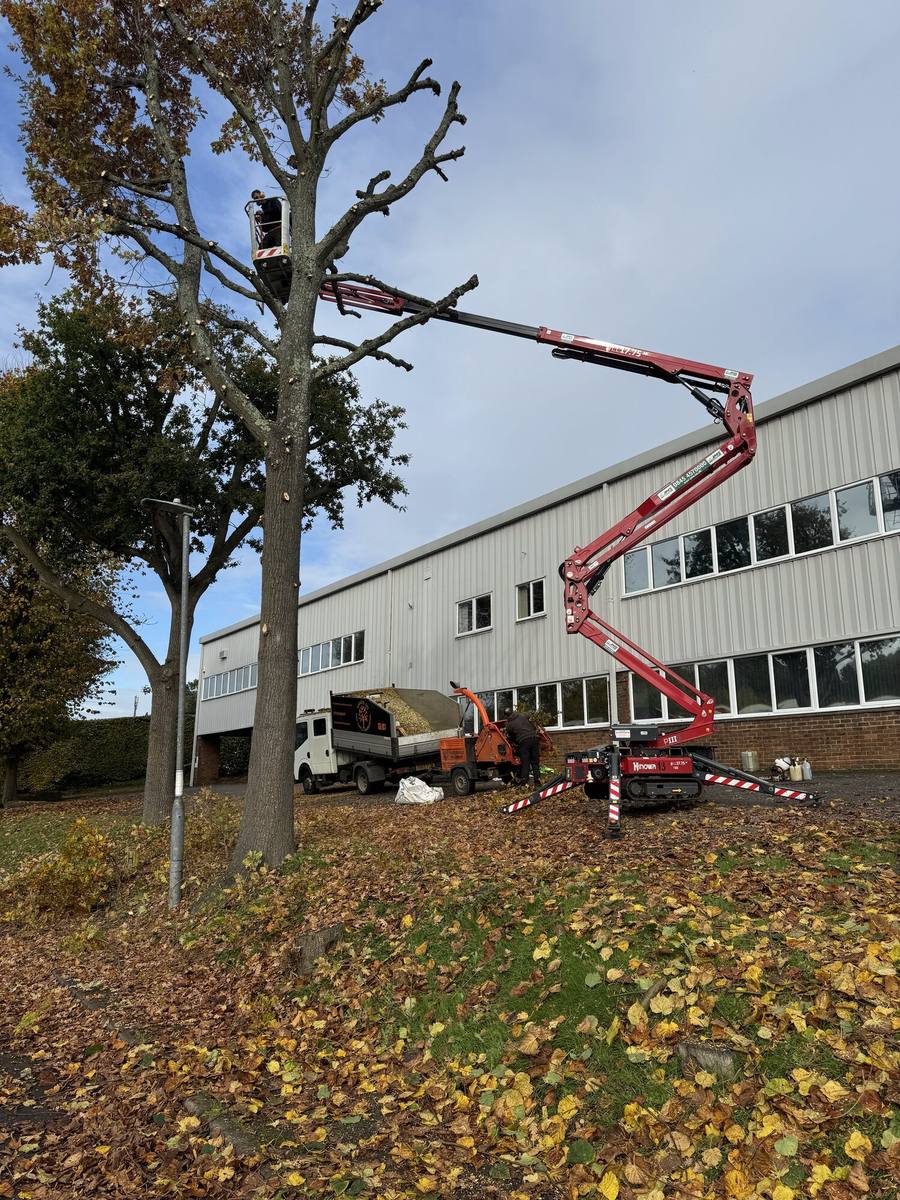
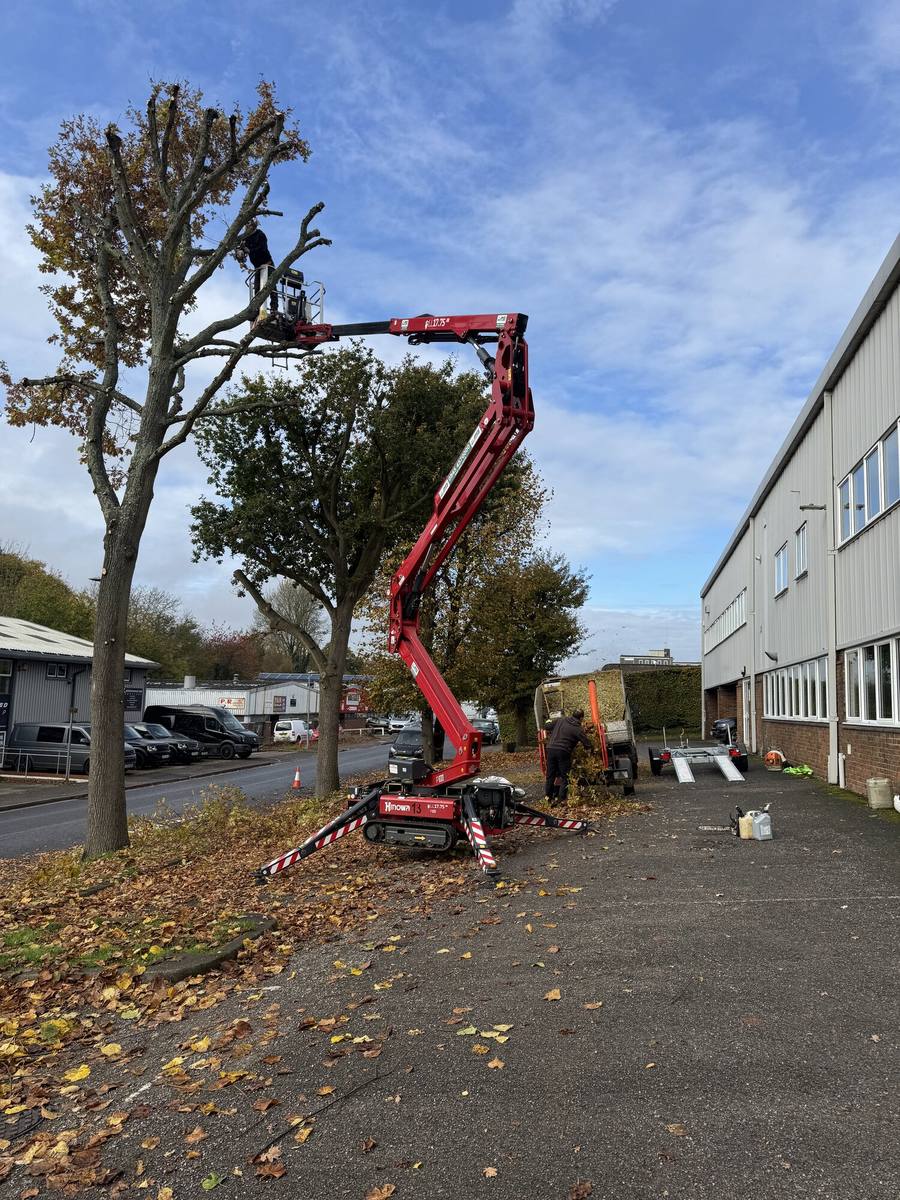
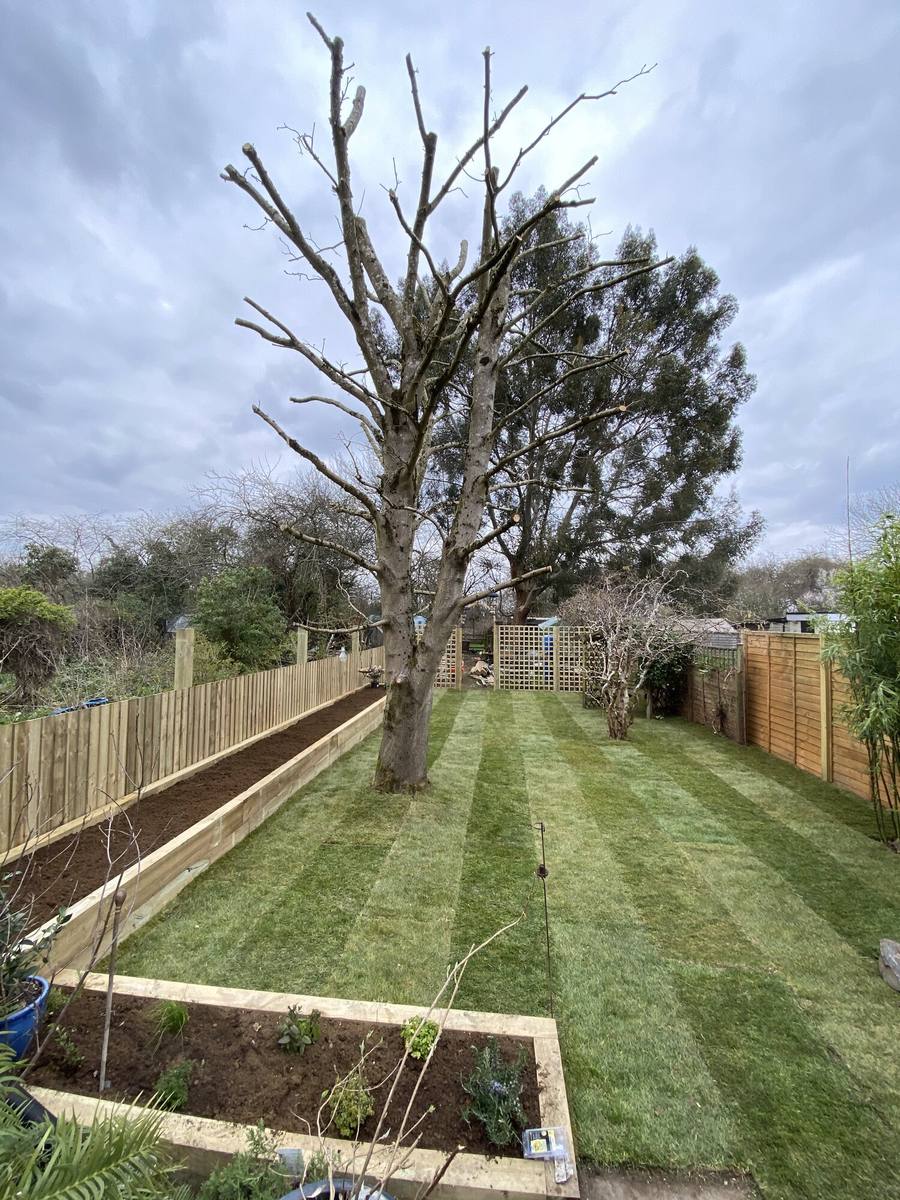
Work carried out to the consent, and the paperwork done before we start.
PROTECTED TREES — THE QUESTIONS WE GET
How do I find out if my tree has a TPO on it?
Ask the council, or ask us and we’ll do it. Buckinghamshire Council, Dacorum, Three Rivers and Watford all hold registers of protected trees, and several publish them on an online map. It is free to check and takes minutes. We check as a matter of course before quoting, because it changes what we can offer you.
How long does permission take?
In a conservation area, six weeks from the council receiving the notice. For a tree with a TPO on it, normally eight weeks for a decision on the application. Neither costs anything. Plan around it — if you want work done in autumn, the paperwork wants to be in by late summer.
Can I cut down a dead tree without permission?
A genuinely dead tree is exempt, but you still have to give the council five days’ notice first unless it is an emergency, and you may have to plant a replacement. The catch is that the burden of proving it was dead sits with you, after the tree is gone. We document the condition with photographs before any work so the evidence exists.
What happens if a tree is protected and I cut it anyway?
Destroying a protected tree is a criminal offence with an unlimited fine in the magistrates’ court, and lesser damage is a separate offence in its own right. Councils in this area do prosecute, usually after a neighbour reports it. The liability sits with the tree owner, not the contractor, which is why we won’t start work on a protected tree without the consent in place.
My neighbour’s protected tree overhangs my garden. What can I do?
You have a common law right to cut back to the boundary, but protection overrides it — you still need the council’s consent for anything above the size threshold, exactly as the owner would. Come to us before you cut anything and we’ll sort the permission out. It is a common way for people to end up in trouble over a tree that isn’t even theirs.
Do you do the paperwork or do I?
We do. We write the notice or application, submit it, deal with the tree officer’s questions and tell you the date you’re clear to go. It is included — we don’t charge separately for it.
Will the council let me take the tree down?
Sometimes, but felling applications are refused far more often than reduction work. If a sensible crown reduction would solve the problem, that is what we’ll recommend and what we’ll apply for, because it stands a much better chance and usually gets you the light back anyway.
BOOK A FREE SITE VISIT
We’ll walk the garden with you, go through your ideas, sketch a rough plan and take measurements. Your detailed quotation follows within 48 hours. No charge, no obligation.
NOT SURE IF YOUR TREE IS PROTECTED?
Call the office, ring Connor direct on 07738 008077, or book a visit online. Free, no obligation, and you get a detailed written quote afterwards.